
 EN
EN  AR
AR ES
ES TR
TR RU
RU PT
PT RO
RO HU
HU BG
BG CS
CS NL
NL FR
FR DE
DE EL
EL IT
IT BE
BE GA
GA MS
MS AF
AF SV
SV LV
LV GD
GD TG
TG UZ
UZ SU
SU TA
TA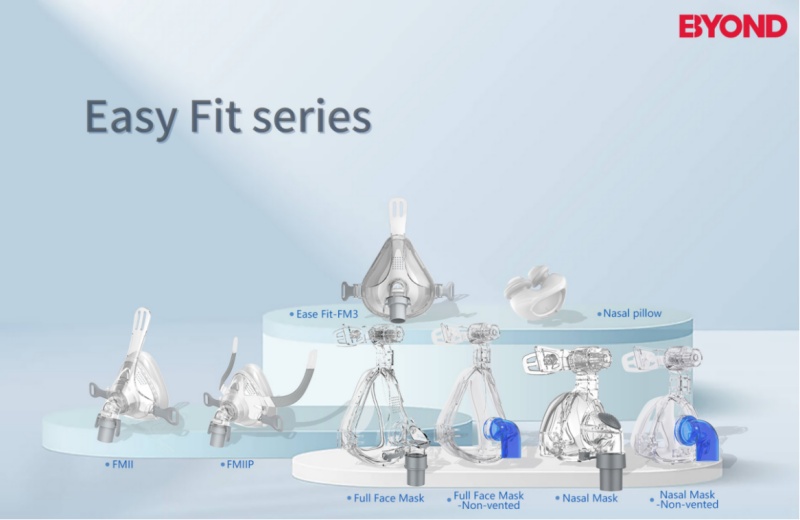
Figure 1. Beyond respiratory mask family
Key Words: Ventilator mask, CPAP mask, BIPAP mask, Nasal pillows, Nasal masks, Oral-nasal masks, Full-face masksVented mask, Non-vented mask, Nasal Pillow
The mask is the "terminal interface" of human-computer interaction in the home non-invasive ventilation system. Its geometry, sealing method and mechanical properties directly affect the treatment. Beyond Mask product line covers both medical and home use scenarios. This article will analyze and compare our four types of mainstream masks (nasal pillows, nasal masks, oral-nasal mask, full face mask, and helmet masks) to provide reasonable recommendations for the selection of ventilator masks for different groups of people under different scenarios.
Nasal Pillow
1. Structure: Double silicone "plugs" are placed in the anterior nostrils, without forehead pads and nose bridges.
2. Sealing mechanism: Relying on the elastic deformation of the soft tissue of the nasal vestibule to form a ring seal.
3. Advantages: Wide field of view; Light weight; Turning over does not affect wearing.
4. Limitations: Not suitable for high-pressure treatment; Can easily cause nasal irritation, dryness and bleeding of the nasal mucosa.
5. Suitable for people: Suitable for people with sensitive skin; Suitable for patients with special facial support structures and claustrophobia; Suitable for people with low-pressure treatment; People who breathe through the nose.
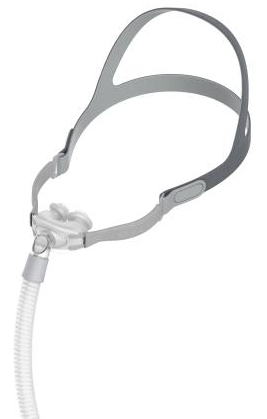
Figure 2. Nasal pillow mask headgear EaseFit PMIasal pillow rendering
Nasal Mask
1. Structure: triangular silicone pad covers the nose tip to the root of the nose.
2. Sealing mechanism: three-point support of nose bridge-upper lip-nose wing.
3. Advantages: small dead space; most versatile;.
4. Limitations: easy to leak when breathing with the mouth open.
5. Applicable population: first choice for OSA patients; suitable for most patients; people who breathe through the nose.
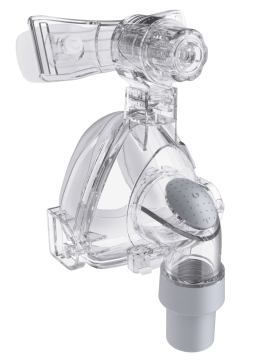
Figure 3. Nasal mask rendering EaseFit NMI
Oral-Nasal Mask
1. Structure: One-piece gasket covers both the mouth and nose.
2. Sealing mechanism: Double-ring seal of lip groove + nasal groove.
3. Advantages: Less air leakage; Suitable for high-pressure treatment needs.
4. Limitations: Large dead space; The mask needs to be removed for speaking, eating and expectoration, and vomiting is prone to aspiration; Excessive pressure in the mask can easily lead to flatulence.
5. Applicable population: First choice for patients with acute respiratory failure; People with a tendency to breathe through the mouth; People receiving high-pressure CPAP treatment.
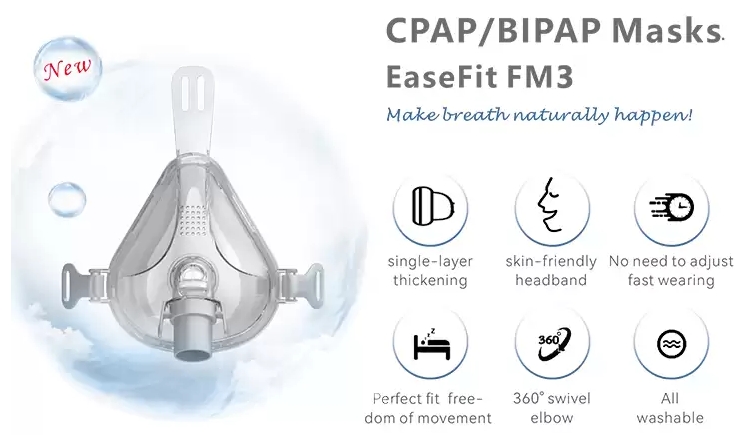
Figure 4. Oral-nasal mask EaseFit FM3
Full Face Mask
1. Structure: The closed circle extends from the forehead to the chin, covering the eyes, nose and mouth.
2. Sealing mechanism: three-dimensional support of forehead, zygomatic and chin.
3. Advantages: less air leakage; no pressure on the nose.
4. Limitations: easy to suffocate; stuffy and claustrophobic feelings are common.
5. Applicable population: people receiving extremely high treatment pressure; patients with facial deformities.
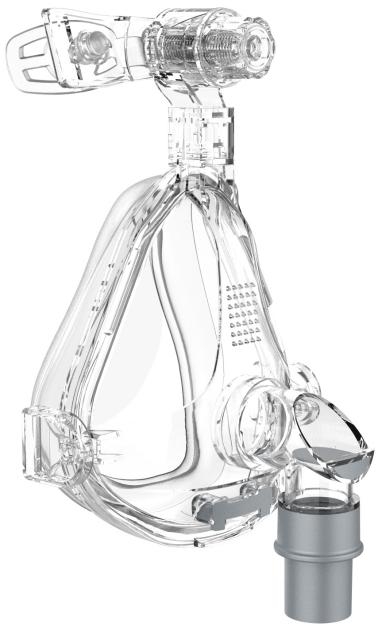
Figure 5. Ease Fit FMI full face mask for cpap machine
Conclusion
Overall, nasal pillows/nasal masks can meet 80% of home use scenarios; oral and -nasal masks / full face masks /full face masks are used for high pressure or open mouth breathing; helmet masks are only considered in extreme anatomical or pediatric cases. Mask selection should follow the principle of "minimum effective contact area" while taking into account treatment needs, breathing methods, sleeping positions, etc.