
 EN
EN  AR
AR ES
ES TR
TR RU
RU PT
PT RO
RO HU
HU BG
BG CS
CS NL
NL FR
FR DE
DE EL
EL IT
IT BE
BE GA
GA MS
MS AF
AF SV
SV LV
LV GD
GD TG
TG UZ
UZ SU
SU TA
TAHigh-flow respiratory humidification therapy is a comfortable, effective and non-invasive respiratory treatment method, in which heated and humidified gas directly enters the nasal cavity through a non-sealed nasal cannula at a flow rate higher than the patient's peak inspiratory flow rate, with precise and controllable oxygen concentration.
Ⅰ. What is the development trend of high-flow respiratory humidification therapy?
Modern respiratory medicine is in the stage of rapid development. The diagnosis and treatment of respiratory failure and respiratory support technology are the most common problems in critical care medicine. Using modern respiratory support means and real-time monitoring technology, we can treat every patient more intuitively and more truly in clinic than ever before.
Intelligent high-flow oxygen therapy and non-invasive respiratory treatment equipment constitutes routine medical devices in tens of thousands of county-level hospitals in China. It is mainly used in respiratory department, emergency department, anesthesiology department, cardiothoracic surgery department, ICU ward and CCU ward, and is indispensable for patient rescue, emergency treatment and long-term treatment.
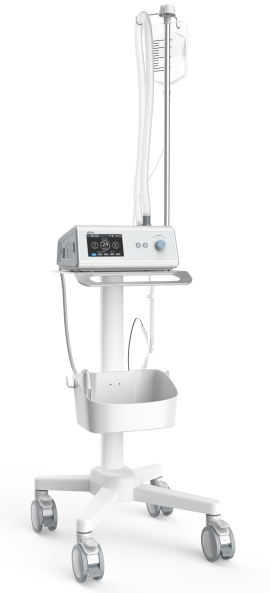
Figure 1. High-flow heated respiratory humidifiers with trolley
Ⅱ. What are the clinical features of high-flow respiratory humidification therapy devices?
The combination of optimal humidity with nasal cannula ensures comfortable delivery of high-flow oxygenated gas, achieving the following therapeutic effects:
1. Oxygen support: Maintain a stable high inhalation oxygen concentration to improve oxygenation, reduce hypoxemia, and enhance alveolar effective ventilation.
2. Positive airway pressure: generates low-level positive end-expiratory pressure to reduce respiratory work and decrease respiratory rate; promotes alveolar opening, facilitating oxygen diffusion.
3. Reducing dead space: decreasing the dead space of mouth, nose and pharynx, promoting gas exchange and improving ventilation efficiency.
4. Airway humidification: Gas heating and humidification can improve mucociliary clearance, promote sputum humidification and elimination, and reduce the chance of infection.
5. Patient comfort: Effectively improves patient comfort and tolerance, enhancing treatment adherence.
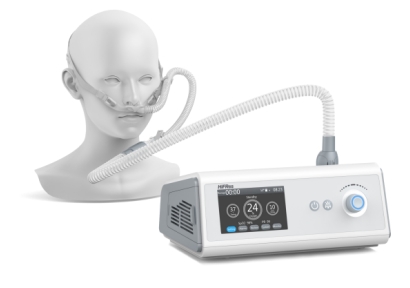
Figure 2. High-flow heated respiratory humidifiers with nasal cannula
Ⅲ. What are the clinical applications of high-flow respiratory humidification therapy devices?
1. Patients with acute mild to moderate respiratory failure in emergency departments and ICU
The improvement of dyspnea and oxygenation effect is obvious, the intubation rate is reduced, and the intubation mortality is significantly lower than that of non-invasive ventilation and standard oxygen therapy.
2. During tracheal intubation: It provides a higher oxygenation index and prolongs the safe duration before hypoxemia occurs.
3. Oxygen therapy after invasive mechanical ventilation withdrawal
The high tolerance comfort reduces the re-intubation rate.
4. Acute heart failure and cardiogenic pulmonary edema: It improves dyspnea, including refractory cases.
5. Risk of postoperative respiratory failure
The use of alternative non-invasive ventilators is better for patient comfort.
6. Chronic airway diseases: It is used to improve upper airway condition in patients with obstructive sleep apnea.
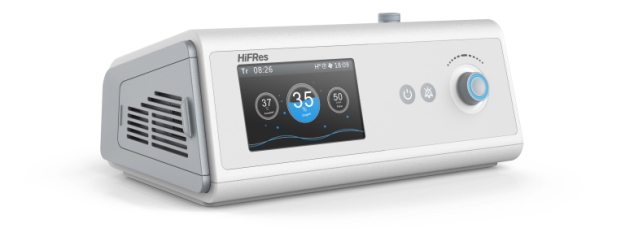
Figure 3. High-flow heated respiratory humidifiers